
Distance - Sanitary and Storm Sewers, and Water Distribution Systems Design Workshop (1.8 CEUs)
ARE YOU:
Looking for professional development but do not have the time to take off from work?
Looking for refresher course on specific engineering topics and cannot find an intensive course to serve your needs?
This may be your ideal Professional Development course!
Find out more on how the Professional Development Distance Program may work for you - Click here
Duration:
This course is approximately 4-5 weeks in duration.
Learning Method:
The PDDP program is more of a self-guided learning style.
You are required to read the notes and materials given, complete the follow-up assignments on your own, send in your questions prior to your 1 hour webinar meeting (if required) and be involved in live discussion via the internet.
Once you have completed the course, you will receive a certificate of completion
Course Description:
Eighty percent of a municipality’s problems are caused by
twenty percent of its sanitary sewers and storm water drainage systems. The
best way to avoid the majority of future problems is to pay greater attention
to them during the design phase. This workshop is intended for those who
require better understanding of sanitary sewer and storm water drainage systems
design. The participant will be expected to complete a sanitary sewer and storm
water drainage system design under instructor guidance by using first principle
methods and/or design aids.
This course has been designed to enlighten anyone who is not a civil engineer
with the basics of Municipal Engineering Design. There is no need for a civil
engineering background as the civil engineering concepts will not be introduced
in depth.
The PDDP Distance Education program works as follows:
Once you register for this course, you will be sent a login username and password for our online distance website.
You will receive the course notes in hard copy through the online website, you will receive a set of notes each week covering the course material.
A one hour video-conference session will be conducted by your instructor each week (if required). The objective of this session is to assist in solving the assignments, as well as answer student questions that should be sent to instructor early enough prior to the meeting time. In addition with being able to communicate with the instructor, you will also be able to communicate with other students in the same class and watch their questions being answered as well. (A high speed internet connection is strongly recommended for this feature).
Each set of exercises can be completed and submitted by the indicated date and your completed exercise will be marked online and and returned by your instructor.
To gain the most from your course, it is highly recommended that you participate fully in all discussions and exercises. Please remember that each course has a form of quiz or exercise at the end to test your understanding of the material. You will be informed of these dates when you receive the course schedule.
*Course commencement date is subject to instructor availability.
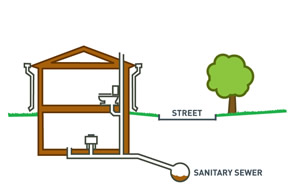
Planning For a Sanitary Sewer System
- Planning objectives
- Layout objectives
- Environmental assessment process
- Pressure
- Flow
- Gravity flow in pipes
- Computer applications in hydraulics
- Hydrology
- The hydrologic cycle
- Rainfall and surface water
- Groundwater
- Peaking factors
- Minimum and maximum velocities
- Self-cleansing velocities
- Minimum pipe size
- Capacity designInfiltration
- Sewer pipes
- Separation of water main and sewers
- Optimum bedding conditions
- Cover, Crossings, Manholes
- Ductile iron pipe location
Workshop: Design of a Sanitary Sewer
Participants will work on a design exercise in small groups under instructor guidance
Sanitary Sewer Systems
- •Loading
- •Extended period simulation
- •Sewer CAD introduction
- •Sewer CAD software demo training
- •Water CAD software demo training
Storm water Drainage System
Estimating Storm Runoff
- •Rational method
- •Runoff coefficients
- •Rain fall intensity
- •Time of concentration
- •SCS Method
- •Effects of land developments
- •Layout and design
- •Best management practices
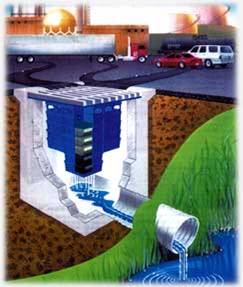
Storm Water Quality Control
- •Sedimentation basins
- •Swales
- •Bio-retention systems
- •CTWS
- •Wet ponds
- •Case study
- •Floodplains
Control of Combined Sewer Overflow (CSO)
Workshop: Design of Storm water Drainage System
Participants will work on a design exercise in small groups under instructor guidance
Sanitary Sewer and Pump Stations
- •General pump station design
- •Self-priming pump station
- •Submersible pump station
- •Pumps and motors
- •Valve box
- •Wet well design criteria
- •Electrical work
- •Control panel
- •Pump station site
- •Pump station spare parts and completion
System Characteristics
- •System Head Curve
- •Pump Operating Point
- •Parallel Operation
- •Hands on Examples
Distribution Storage
- •Types of Distribution Reservoirs
- •Flow in Pipe networks
- •Pipes in Series/Parallel
- •Pipe Network Analysis
- •Hydraulics of Water wells
Pressure Piping Systems and water Quality Analysis
- •Pressure Systems
- •Energy Loss
- •Energy Gains- Pumps
- •Control Valves
Pump Design
- •Centrifugal Pumps
- •Pump Characteristics
- •Pump Head Curve
Water Distribution Systems
- Design Factors
- Required Flows and Pressures
- Per Capita Demand
- Variations in Water Demand
- Fire Flows
- Pressures
- Pipeline Layout
- Water Mains
- Materials/Installation
TLNT reserves the right to cancel or change the date or location of its events. TLNT's responsibility will, under no circumstances, exceed the amount of the fee collected. TLNT is not responsible for the purchase of non-refundable travel arrangements or accommodations or the cancellation/change fees associated with cancelling them. Please call to confirm that the course is running before confirming travel arrangements and accommodations. Please click here for complete policies.
We could offer any of our courses at a location of your choice and customized contents according to your needs, please contact us at: [email protected] or click here to submit an online request.
Reviews
Interested in this course?
Click HereStart time: {{ sessionStartTimeWithZone(session) }}
{{ timeZoneCaptionFromSettings() }}
There are no future dates for this course

Jumpstart your training with the help of Talented Technology Training Canada (TTT-Canada) & the Canada Job Grant.
Seminars and Workshops offered within your organization anywhere in the world.
Get notified of our upcoming early bird discounts.
Submit this form for no-obligation course inquiries. One of our agents will contact you at the email or phone you enter below.