
Piping Engineering Basics for Reliability, Maintenance and Field Engineers (1.8 CEUs)
8:00am - Registration and coffee (1st day only)
8:30am - Session begins
4:30pm - Adjournment
Breakfast, two refreshment breaks and lunch are provided daily.
Description
Plant Engineers are at the forefront of a process plant. In addition to the need to attend the day to day plant activities, the Engineers have to also attend to the emergency calls immediately that calls for material selection, fabrication and testing within the industry standard. Unfortunately, there is no simple cookbook in piping engineering, but understanding some basics of engineering design and drawings will help the Engineer to rapidly repair/modify/trouble-shoot the problem immediately with good engineering judgement, without having to wait for outside help. Interpreting ASME B31.3 Process Piping Code and engineering drawings were never easy. It requires long years of engineering and design experience to fully understand both.
The 3 day course is designed to meet the needs of plant level Mechanical Engineers from Design, Construction and Owner Companies who, although qualified in their own discipline, may not have received adequate training on the engineering design.
The course focuses on key areas that Engineers seems to have limited knowledge. Course concentration will be focused on ASME B31.3 Process Piping.
The objectives of this course is to:
- Provide an awareness of the code and regulations that governs the design of a plant
- Provide a basic interpretation and understanding of the design code (ASME B31.3) in simplified form
- Provide basic engineering knowledge to young Engineers and plant Maintenance and Operation Engineers for easy decision making
Mechanical Engineers from Engineering and Operating company who are involved primarily in the Operation (Maintenance and Reliability) and Construction of a process plant. Design Engineers who need to add to their current experience and knowledge the basics of the mechanical piping design code. New graduates who want to learn about the piping engineering and engineering drawing will immensely benefit from this course by setting their basics right at the onset of their career.
Program Outline (1.8 CEUs / 18 PDHs)
Day1
Welcome, Introduction, Seminar Preview, Learning Outcomes and the Assessment Method
Understanding Materials
- Material classification Systems and specification
- Mechanical Properties
- ASME B31.3 Listed Materials
- Understanding ASME B31.3 Code stress Tables A-1 and A-2
- Temperature Limitations
- Minimum permissible Temperature (Interpretation of ASME B31.3 Code Fig. 323.2.2.A & Fig. 323.2.2.B)
- Minimum Design Material Temperature (MDMT)
- Effect of Ambient Temperature
- Requirement for Low Temperature Toughness (Interpretation of ASME B31.3 Code Table 323.2.2)
- Avoiding Low Temperature Materials
- Material Selection
- Piping Class
- Material Certificates
Understanding Drawings
- Process and Instrumentation Diagrams
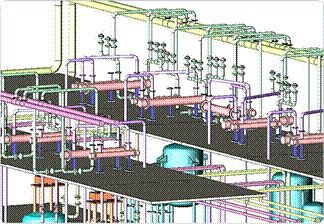
- Orthographic
- Isometrics
- Spool Drawing
- Line Designation Table / Line List
Understanding Codes/Standards/Specifications
- Owner/Company Specification
- Local Regulatory Requirements
- National Standards
- International Standards/Codes/Specifications
Day 2
Understanding Pipe Stress
- Basic Stress Concepts
- Failure Theories
- Stress Categories
- Basis of Allowable Stress
- Fatigue Failure
Fluid Service Categories
- Different Categories of Fluid Services defined by the Code
Design Basics of Piping
- Design Conditions
- Pipe and piping components
- Thickness calculation and/or Verification of Pipe Thickness
- Pressure/Temperature Ratings for Valves and Flanges
- Standards for Piping Components
- How to select and build a piping segment with correct pressure integrity.
- Making a good Material Requisition.
Day 3
Welding, Fabrication and Inspection
- Welding Processes
- Qualifying a Welding Procedure
- Qualifying Welders
- Understanding P & S Group materials (ASME BPVC Section IX)
- Destructive Tests
- Non-Destructive Tests
- Examination Methods
- Acceptance Criteria
- Extent of Examination required by Construction Code (ASME B31.3)
- Joint preparation –welding unequal thicknesses
- Socket and Fillet weld requirement
Pressure testing of a Piping System including Vessels
- Hydrostatic Test
- Pneumatic Test
- Hydrostatic-Pneumatic Test
- Initial Service Leak test
- Alternative Leak Test
- Closure Weld Test
Questions and Answers and Feedback from Participants on Achievement of Learning Outcomes
Concluding Remarks and Final Adjournment
After Attending This Course You Will Be Able To:
- Understand the importance of the code requirement/compliance
- Gain insight of design basis used by the Code
- Learn to deal with piping design requirement for new or modification work in a plant level
Instructor
 Mr. Ganga D. Deka, P.Eng is a registered professional Engineer with APEGGA Alberta and currently works with an Engineering Design Company as a Senior Mechanical /Piping Engineer. He brings with him over 25 years of experience in oil and gas industry with diversified experience in both engineering design and operation. He, therefore, brings with him the best experience from both the sides –from the drawing office to hands-on.
TLNT reserves the right to cancel or change the date or location of its events. TLNT's responsibility will, under no circumstances, exceed the amount of the fee collected. TLNT is not responsible for the purchase of non-refundable travel arrangements or accommodations or the cancellation/change fees associated with cancelling them. Please call to confirm that the course is running before confirming travel arrangements and accommodations. Please click here for complete policies.
We could offer any of our courses at a location of your choice and customized contents according to your needs, please contact us at: [email protected] or click here to submit an online request.
Reviews
Interested in this course?
Click HereStart time:

Tell us your requirements, and TLNT will recommend a suitable course and develop a customized training program for your team.

Jumpstart your training with the help of Talented Technology Training Canada (TTT-Canada) & the Canada Job Grant.
Seminars and Workshops offered within your organization anywhere in the world.
Get notified of our upcoming early bird discounts.
Have a question about a course? Send us a no-obligation inquiry and one of our agents will contact you.